
Guide
Strengthening Connection Through Empathy, Skill, and Evidence-Based Support
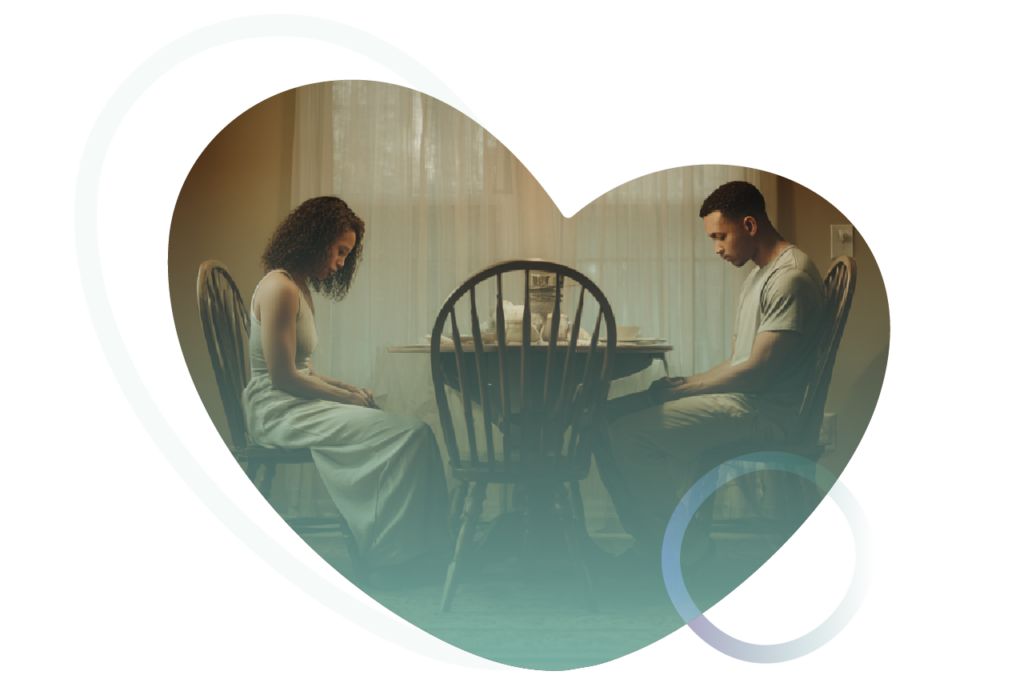
Relationships shape every part of our emotional lives. They influence how we feel about ourselves, how we move through the world, and where we turn when life becomes overwhelming. When a relationship is strong and connected, it can provide stability and comfort. When that connection becomes strained, life can feel heavy and disorienting.
Many couples sense when something is shifting—conversations become shorter, tension lingers longer, misunderstandings appear more frequently, and emotional closeness begins to fade. These patterns are not signs of failure; they are signs of human beings doing their best without the tools needed to navigate complexity. Relationship and couples therapy offers a path toward understanding, repair, and healthier patterns of connection.
Even strong relationships experience conflict, stress, and distance. Many people assume that if love is present, the connection will naturally sustain itself. But closeness requires communication, vulnerability, and trust—all of which demand skill, practice, and emotional awareness. When couples begin to struggle, they often describe a sense of drifting. Conversations become more guarded. Small hurts accumulate. Emotional distance grows even while both partners care deeply.
These moments are more common than many realize. Careers, parenting, mental health challenges, financial stress, unresolved trauma, and mismatched communication styles all influence the dynamics between partners. It is not unusual for couples to reach a point where they feel stuck, repeating the same arguments or retreating into silence. Therapy offers space to examine these patterns gently and collaboratively, without blame.
One of the most significant sources of relationship tension is unspoken emotion. Partners may hesitate to express what they need for fear of upsetting each other, appearing demanding, or starting an argument. Over time, this silence becomes heavy. Emotional needs go unmet. Resentment builds. Moments that could bring connection instead create frustration or confusion.
Many individuals feel responsible for maintaining harmony in the relationship, even at the cost of their own well-being. Others may feel overwhelmed by their partner’s expectations and withdraw in response. The result is a cycle where both partners feel distant, unheard, or misunderstood. Therapy helps couples bring these emotions into the open with honesty, care, and intention.
Communication challenges do not appear out of nowhere. Personal history, family patterns, stress, personality, and past relationships shape them. When couples struggle to communicate, it is rarely because they do not care; it is because they are speaking from fear, frustration, or self-protection.
Some partners become louder when they are scared, trying to be heard. Others become quieter, hoping to keep the peace. Some argue because they feel disconnected. Others avoid conflict because they fear losing the relationship entirely. These patterns make sense in context, but without support, they can solidify into habits that erode intimacy over time.

Emotional distance is often subtle in its early stages. Partners begin spending less time together, avoiding difficult conversations, or seeking comfort in individual routines. Over time, this distance can feel like living parallel lives rather than sharing a relationship. Many couples describe feeling lonely even while sitting beside the person they love.
This distance does not mean the relationship is broken. It means the relationship needs attention, intention, and support. Therapy creates a space where partners can reconnect with the underlying care that brought them together and begin to understand why their closeness began to fade.
Relationships do not exist in isolation. Personal histories, mental health conditions, trauma, and life stressors all influence how individuals show up with their partners. Anxiety can make someone seek reassurance constantly. Depression can make someone withdraw. Trauma can trigger fear or avoidance. Stress can shorten patience or intensify conflict.
Therapy helps couples understand these dynamics not as personal flaws but as patterns shaped by experiences. When both partners understand what is happening underneath the surface, compassion grows, and the relationship becomes a safer place to navigate vulnerability.
Relationship and couples therapy is not about determining who is right or wrong. It is about helping partners understand each other’s emotional worlds and practice healthier, more supportive ways of relating. Evidence-based approaches teach couples how to communicate clearly, express needs effectively, resolve conflict constructively, and build emotional safety.
Therapy often includes:
These skills not only improve conflict resolution; they also strengthen the foundation of the relationship itself.
At the Behavioral Wellness Clinic, Functional Analytic Psychotherapy (FAP) plays a central role in relationship work. FAP emphasizes authenticity, presence, and connection—both in the therapy relationship and in partners’ relationships with each other. It is grounded in the idea that meaningful change occurs through real, lived experience, not abstract discussion.
In session, individuals and couples practice the skills they want to bring into their daily lives:
FAP uses the therapeutic relationship as a model for connection, helping clients experience being genuinely heard and understood. These experiences translate into stronger, more resilient relationships outside of therapy.

Relationship challenges do not always originate within the relationship itself. Sometimes individual struggles—anxiety, trauma, self-esteem issues, dependency patterns, or difficulty setting boundaries—impact the partnership. In these cases, individual therapy can support the relationship by strengthening each partner’s emotional health.
BWC clinicians work with individuals on:
When individuals grow, relationships often grow with them.
At Behavioral Wellness Clinic, clinicians understand that relationships are deeply personal, vulnerable, and meaningful. Many people arrive feeling unsure, conflicted, or discouraged. Some feel disconnected from their partner but do not know how to bridge the gap. Others feel overwhelmed by conflict or worry that their relationship has fallen into patterns they cannot break on their own.
BWC offers a supportive, nonjudgmental environment where both partners can express themselves openly and explore their experiences with guidance. Clinicians tailor each session to the couple’s pace, comfort level, and goals. Whether the focus is communication, trust, intimacy, conflict, or personal growth, therapy is shaped around the belief that connection is possible—and that relationships can evolve into something more substantial, more honest, and more supportive.
If BDD has narrowed your world or made everyday moments feel overwhelming, support is available. A warm, structured, evidence-based approach can help you move toward stability and understanding at a pace that honours your experience.
Speak with a BWC clinician today to explore your options.